
Springfield changed the rules in 2023. Now a utility-scale solar project that checks the state’s boxes “shall be approved,” even on prime farmland and even when your county board says no. (55 ILCS 5/5-12020(g))
We’re Illinois farmers, landowners and rural neighbors fighting to keep farmland in farming and put land-use decisions back in local hands.

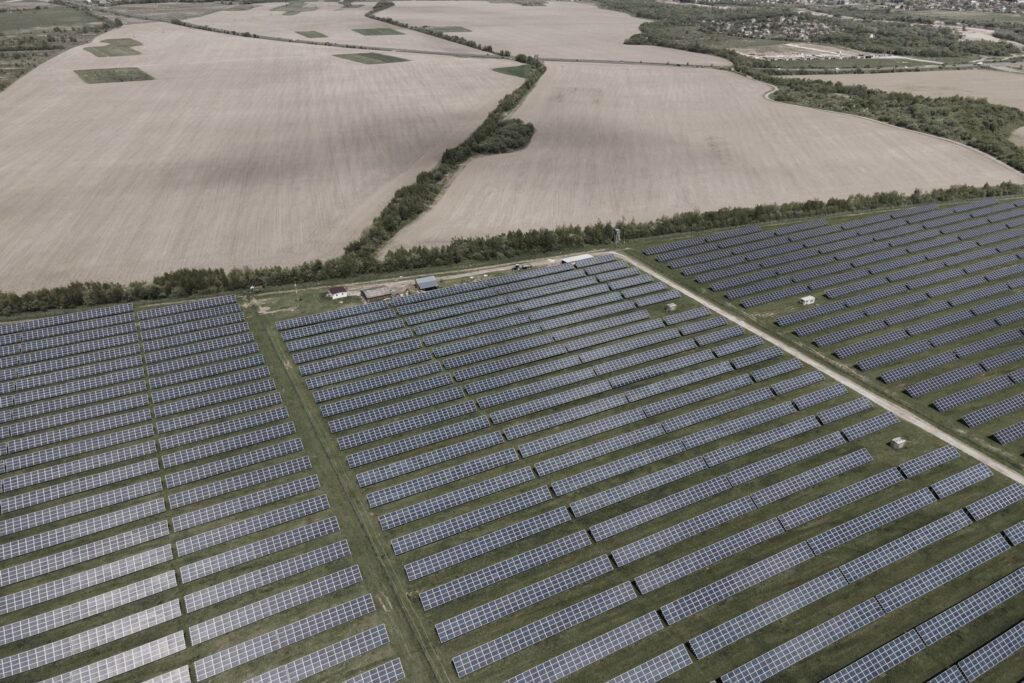
Projects are now measured in thousands of acres. In May 2026, Will County approved a single 6,100-acre project, about 25% of the farmland in Green Garden Township. (Shaw Local)
When counties say no, developers sue, and they keep winning. Judges ordered Will and McHenry counties to approve projects their boards rejected (Farmers Weekly Review, Shaw Local). An appeals court said Grundy County had a “nondiscretionary” duty to issue permits it had denied. (Equity Solar v. County of Grundy)
Farmland grows a crop every season. Cover it with a utility-scale array and it’s out of production for the life of the project, about 30 years for Will County’s biggest one, according to a board member. (Shaw Local)
Our farms run on tile. The 2023 law lets a permitted developer cross drainage district tile and ditches without the district’s prior approval, as long as it follows the drainage plan the developer wrote. (§5-12020(j-5), (t))
Neighbors don’t sign the lease, but they live with the result. In DeKalb County, one resident said a nearly 2,000-acre project would “surround our property on three sides.” (Shaw Local)
You elect your county board to make land-use decisions. Today it can’t set solar rules stricter than the state’s, and it can’t keep solar off land zoned agricultural. (§5-12020(b), (h))
Public Act 102-1123 (HB 4412) passed in the January 2023 lame-duck session and was signed January 27, 2023. (ISACo issue brief) Your county can no longer:
A 2026 amendment went further. Since June 1, 2026, counties also can’t require screening taller than 5 feet at planting or set a construction deadline shorter than 5 years. (P.A. 104-458; §5-12020(i-5), (l))
Developers get a fast track with a guaranteed outcome for compliant projects. (§5-12020(c), (g))
Leasing landowners get real money: most often $1,000–$1,999 per acre per year for new solar or wind leases, per a 2026 farm-manager survey. (AgriNews)
Neighbors and the county get a hearing, at most a 150-foot setback from homes, and very little power to say no. (§5-12020(c), (e))
On September 30, 2026, the Illinois Supreme Court agreed to decide how much say counties have over solar siting. (ArentFox Schiff) Reform bills to restore county authority are stuck in committee. (HB 5477, SB 3585)
Hearings are happening now. Show up. Speak up. Call your legislators.
Get alerts about solar projects and hearings in your county, plus updates on the court cases and bills that decide who controls Illinois farmland. We never sell your information. (Privacy Policy)
Illinois Land & Farmland Preservation Coalition
Get updates on solar projects in your county, public hearings, and ways to take action.
Utility-scale solar takes farmland out of production for the life of the project. For Will County’s 6,100-acre Pride of the Prairie, a board member cited an expected 30-year lifespan. (Shaw Local)
That one project is expected to take up about 25% of the farmland in Green Garden Township. (Shaw Local)
Illinois farms depend on tile drainage that often crosses property lines. Under the 2023 law, a permitted solar developer may cross or impact a drainage district’s tile and ditches without the district’s prior agreement or approval, as long as it follows the developer’s own drainage plan. (§5-12020(t))
In DeKalb County, a resident said a proposed 1,984-acre project would “surround our property on three sides.” (Shaw Local)
The most a county can require is a 150-foot setback from a neighbor’s home and 50 feet from the property line. Counties can’t require berms, and since June 1, 2026 they can’t require screening taller than 5 feet when first installed. (§5-12020(e), (l))
Since January 2023, Illinois counties may not set solar rules stricter than the state’s, may not keep solar off land zoned agricultural, and must approve a compliant project. (§5-12020(b), (g), (h))
In a 2026 survey of Illinois farm managers, the most common offer for new solar or wind leases was $1,000–$1,999 per acre per year. 31.2% reported $2,000–$2,999. (AgriNews)
Some farmers say solar is one of the few options they have left. (Shaw Local) We respect that choice. We just think the neighbors and the county deserve a say too.
Neighbors get a public hearing and, at most, a 150-foot setback from their home. (§5-12020(c), (e)) County boards get very little power to say no.
“For me, it really boils down with the fact that the state of Illinois has removed our discretion in this matter.”
Will County Board member, before voting yes, Chicago Tribune